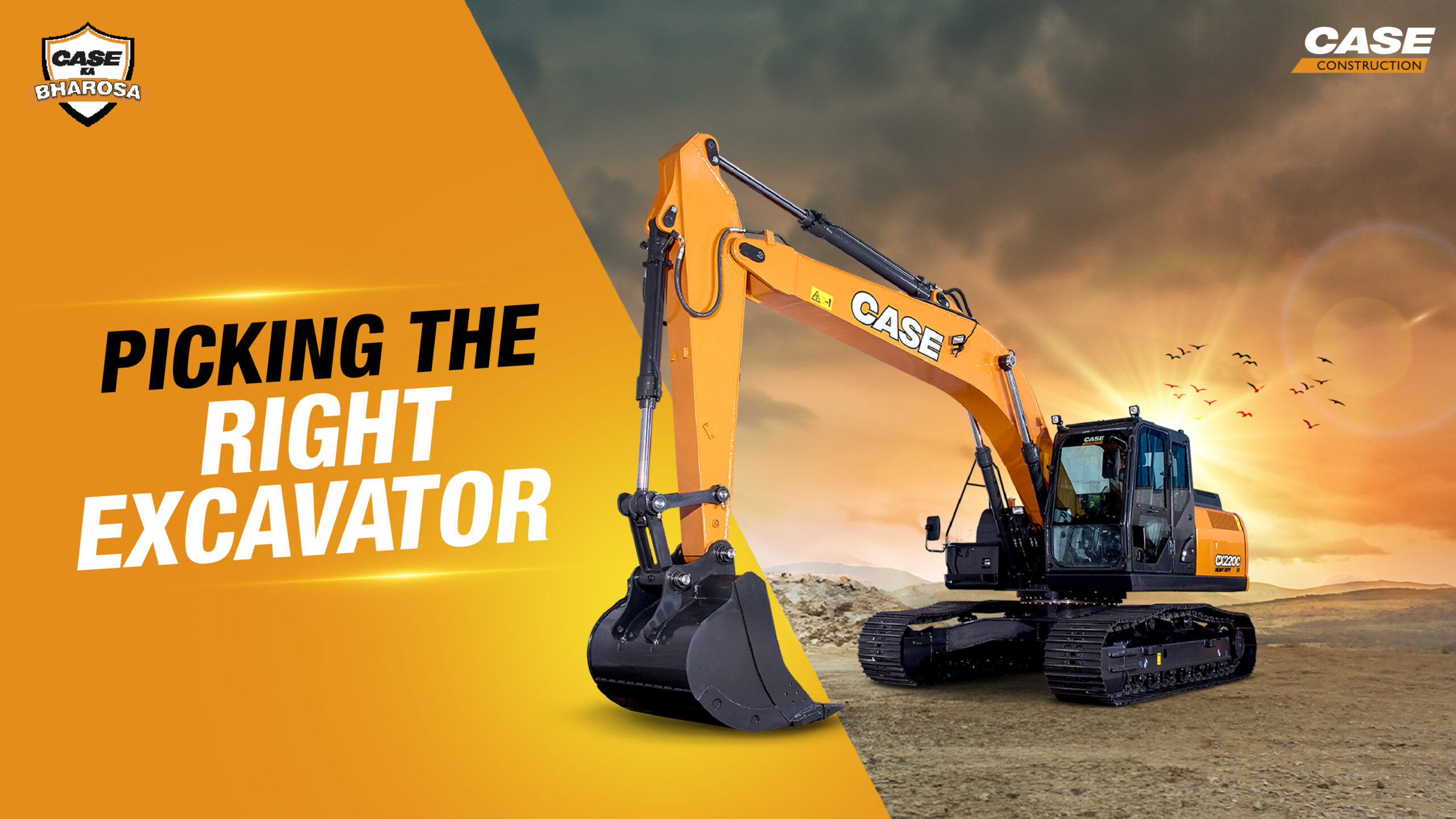
Excavators shape foundations, carve roads, sort scrap and lift on crowded city sites. A smart purchase looks beyond paint and price tags. The aim is simple. Match the machine to the ground, the work mix and the support behind it. The result is reliable output, controlled costs and fewer surprises across the job calendar.
Start with Site Reality
Soil, space, slope and access drive the choice more than spec sheets do. Hard rock or mixed rubble calls for robust undercarriage and steady lift at reach. Waterlogged ground rewards wide tracks and low ground pressure. Tight lanes near homes or shops push for compact tails and short swings. Long commutes between scattered sites suit fast on-road travel. List the daily constraints first. The right excavator follows.
Choose the Size Class with Purpose
Mini excavators work best where space stays tight and jobs change often. Landscaping, cable trenches, small foundations and quick repair work benefit from compact dimensions, low transport weight and simple controls. Short tails reduce risk around walls and parked vehicles.
Crawler excavators set the benchmark for stability and digging power. Tracks spread weight and grip clay, gravel and uneven ground. Quarry faces, canal work, mass excavation and heavy lifting all point toward tracked platforms. For many fleets, crawler excavators form the core of production.
Wheeled excavators bring speed and flexibility to urban and roadside work. On-road travel between sites keeps logistics simple. Outriggers stabilise the machine for digging, then fold for quick moves to the next task. Municipal jobs, drainage and utility trenching gain from this mobility.
Long-reach excavators extend safe reach for desilting lakes, shaping embankments and working over obstacles. Longer booms and arms handle distance where underfoot conditions prevent close positioning. Plan for reduced tool capacity at maximum reach and size the machine with that trade-off in mind.
This quick mapping helps narrow the types of excavators to a practical shortlist.
Focus on Practical Performance
Keep the lens on outcomes. Dig depth needs to match trench drawings. Reach must cover the far edge of the cut without risky repositioning. Cycle time matters for truck loading. Smooth multi-function movement saves seconds on every pass. Lifting charts guide safe handling of pipes, culverts and formwork. Simple, steady control is more valuable than headline numbers that seldom show up on site.
Attachments Decide Day-to-Day Versatility
Buckets cover trenching, grading, rock and bulk earth. A quick coupler speeds changes and turns one machine into many. Hydraulic breakers replace standalone hammers for small demo jobs. Augers cut clean holes for poles and fencing. Tilt and rotate tools shape slopes with finesse. Plan the attachment kit with today’s work and tomorrow’s pipeline in mind. An excavator with the right coupler, auxiliary lines and return flow stays billable across more shifts.
Transport, Access and Set-Up Time
A productive machine is the one that actually reaches the site on time. Check trailer weight limits, bridge clearances and housing-colony gates. Minis slip through narrow lanes and load on light trailers. Mid-size crawlers may need permits and defined routes. Wheeled excavators can drive between sites, saving a trailer and crew. Short set-up time wins more small jobs per day.
Fuel Use and Telematics
Fuel sits near the top of operating cost. Efficient engine mapping, auto idle and work modes cut burn rates without slowing the job. Telematics shows fuel history, idle time and unauthorised movement. Alerts prompt maintenance before small issues grow. Location data helps dispatch the nearest machine for urgent calls. Visibility saves money. Over a year, these small savings compound.
Operator Comfort and Safety
A clear view, supportive seat and intuitive joysticks reduce fatigue. Good lighting extends safe work in low-light conditions. Cameras and proximity aids improve awareness around people and traffic. Easy cab access and firm handholds encourage seat-belt use. Calm, predictable hydraulics help the operator place loads with confidence. Safer machines also tend to be more productive.
Service, Parts and the Value of a Strong Partner
Machines earn only when running. Reliable construction equipment suppliers keep jobs on schedule through trained technicians, fast parts and honest advice. Look for preventive maintenance plans, mobile service and assured parts availability. Response time matters more than brochure promises. Strong support protects resale value and uptime across the machine’s life.
Price vs Total Cost
Excavator machine price varies with size, configuration and attachment package. The invoice is only the first number. Fuel, filters, ground engaging tools, tyres on wheeled models, track shoes on crawler excavators and scheduled maintenance make up the true spend. Downtime has a cost too. Telematics, good training and planned services lower the total. Financing options and warranty terms can stabilise cash flow for growing businesses. A balanced view beats a short-term bargain.
CASE Expertise for Indian Conditions
CASE Construction Equipment designs excavators for real-world jobs and Indian duty cycles. The range covers mini excavators for compact sites, production-focused crawler excavators, city-friendly wheeled excavators and specialised long-reach excavators for waterways and industrial yards. Powertrains, cooling and filtration are selected for dust, heat and long shifts common across the subcontinent. Attachment compatibility supports quick switches between buckets, breakers and augers, keeping utilisation high across mixed fleets.
CASE India backs every machine with a nationwide network for parts, service and training. Preventive maintenance plans, diagnostic tools and telematics support drive uptime. Clear maintenance access and robust structures reduce service hours. As a result, owning costs stay predictable and resale prospects improve when the time comes to upgrade. For businesses comparing construction equipment options and evaluating construction equipment suppliers, this blend of product range and local support brings clarity to the buying decision.
A Simple Selection Framework
Use a three-step filter to reach a confident choice.
- Work Map: List primary tasks by hours per month. Trenching, loading, lifting, slope shaping, or desilting. The leading tasks should dictate the base machine type.
- Site Profile: Note ground conditions, access, typical travel between sites and transport constraints. Match these realities to mini, crawler, wheeled, or long-reach platforms.
- Lifecycle Plan: Estimate hours per year, fuel expectations, service intervals, attachment needs and planned resale. Compare total cost, not just excavator machine price.
Run this filter and the shortlist becomes obvious. From there, a focused demo on similar ground confirms feel, control and cycle times.
Bottom Line
Excavator selection rewards clear thinking and practical focus. Start with the job, not the spec sheet. Pick the platform that suits ground and space. Equip for the real attachment set. Secure strong parts and service. Judge value over the full life, not only the ticket price. With that approach, the right excavator delivers steady output, safer shifts and reliable earnings across seasons.